
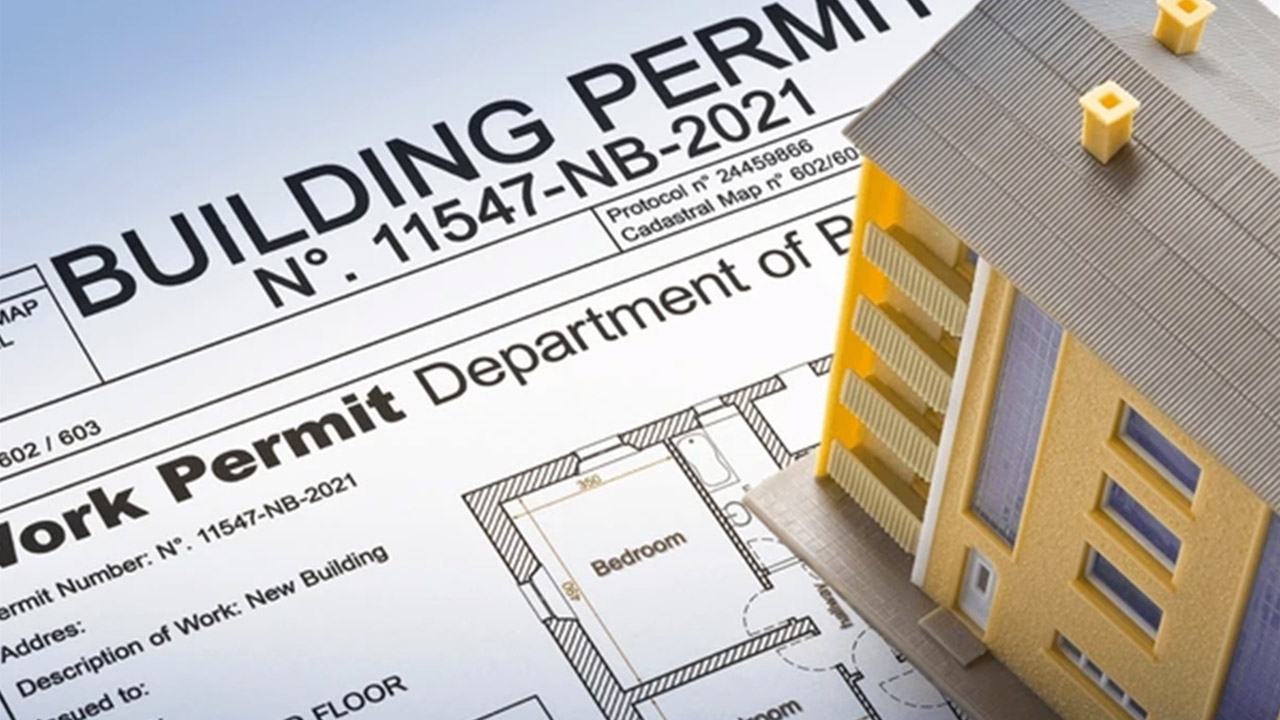
1. The Cost of Permit Delays
Waiting weeks for approvals isn’t just frustrating — it’s expensive:
- Construction teams are on standby
- Equipment orders are delayed
- Financing costs rise
In cities like Toronto and Vancouver, even minor omissions in mechanical documentation can send a project back to square one. For developers and architects, this means lost time and lost revenue. Delays not only extend project timelines but often trigger contractual penalties, increase insurance premiums, and strain relationships with clients.
The National Research Council of Canada notes that nearly 25% of permitting delays are linked to mechanical documentation errors or omissions — a significant inefficiency in the process.
2. Why Permits Get Stuck
Permit reviewers have a checklist, and if your submission doesn’t check all the boxes, it goes into limbo. They look for:
- Accurate mechanical layouts with proper airflow and zoning
- Load calculations grounded in actual building use
- Compliance with energy efficiency standards
- Clean documentation that matches the architectural plans
When documentation is spread across multiple consultants, or manually assembled in disconnected formats, the risks of error, inconsistency, and redundancy multiply. One misplaced annotation or missing calculation can trigger a request for information (RFI) that pushes review back by days — or even weeks.
3. Traditional Workflows Aren’t Built for Permit Speed
Conventional mechanical design workflows are built around engineering expertise — not permitting logistics. Many teams:
- Use spreadsheets for load calcs
- Rely on disconnected CAD tools
- Manually cross-check building codes
These steps are essential — but slow. And they often happen after the architectural plans are finalized, instead of being integrated from the start. As a result, mechanical drawings often arrive late in the permitting pipeline, delaying the entire application.
4. CAM Generates Permit-Ready Documentation — Automatically
CAM Building’s platform is built specifically to streamline this process. It uses AI to automate what matters most for permit approval:
- Reads architectural files in PDF, DWG, or BIM
- Calculates accurate HVAC loads and airflow
- Applies local code standards automatically
- Highlights zoning, ventilation, and system logic clearly
- Exports standardized, submission-ready documentation in minutes
What used to take 10+ days of design and review can now be done in a single afternoon. CAM ensures everything is clean, coordinated, and consistent — making reviewers’ jobs easier.
5. Built-In Code Compliance = Fewer Red Flags
One of the most time-consuming steps in permitting is code review. CAM’s built-in logic checks each design against provincial and municipal standards, including:
- ASHRAE 62.1 and 90.1
- National Building Code (NBC) requirements
- Energy code baselines for Ontario, BC, and Alberta
Designs that comply from the start are far less likely to be flagged for revisions. That’s why users report up to 70% fewer RFIs when submitting CAM-generated mechanical packages.
6. Real-World Case Study: Calgary Mid-Rise
In a recent 8-story residential project in Calgary:
- CAM produced the full HVAC design in under 6 hours
- Documentation passed city review in 8 business days
- There were zero RFIs related to the mechanical system
Without CAM, the same project had previously faced a 4-week delay due to documentation gaps and code issues flagged by permit reviewers.
7. Coordination Between Teams Made Easy
Another reason permits get delayed is inconsistency between architectural and mechanical plans. CAM solves this by providing a shared environment where both teams work from the same data source:
- Architects upload floor plans directly into CAM
- Engineers receive auto-generated mechanical layouts for review
- Final packages align visually and structurally, minimizing confusion
This reduces the time required for internal coordination and avoids errors that reviewers are trained to spot.
8. Smarter Workflows, Better Reputation
Permit authorities track which applicants are consistently late, sloppy, or incomplete. They also know which firms submit clean, complete, and compliant designs.
By using CAM, your firm builds a reputation for professionalism and precision. That leads to smoother reviews, better working relationships with municipalities, and greater client trust.
Conclusion: Permit Delays Are Optional
In a fast-moving construction market, waiting on mechanical approvals can feel like watching time — and money — disappear. CAM Building ensures your designs are done right the first time, giving you a real edge in today’s competitive permitting environment.
Don’t let permits be the bottleneck. Let them become your advantage.




No comment