
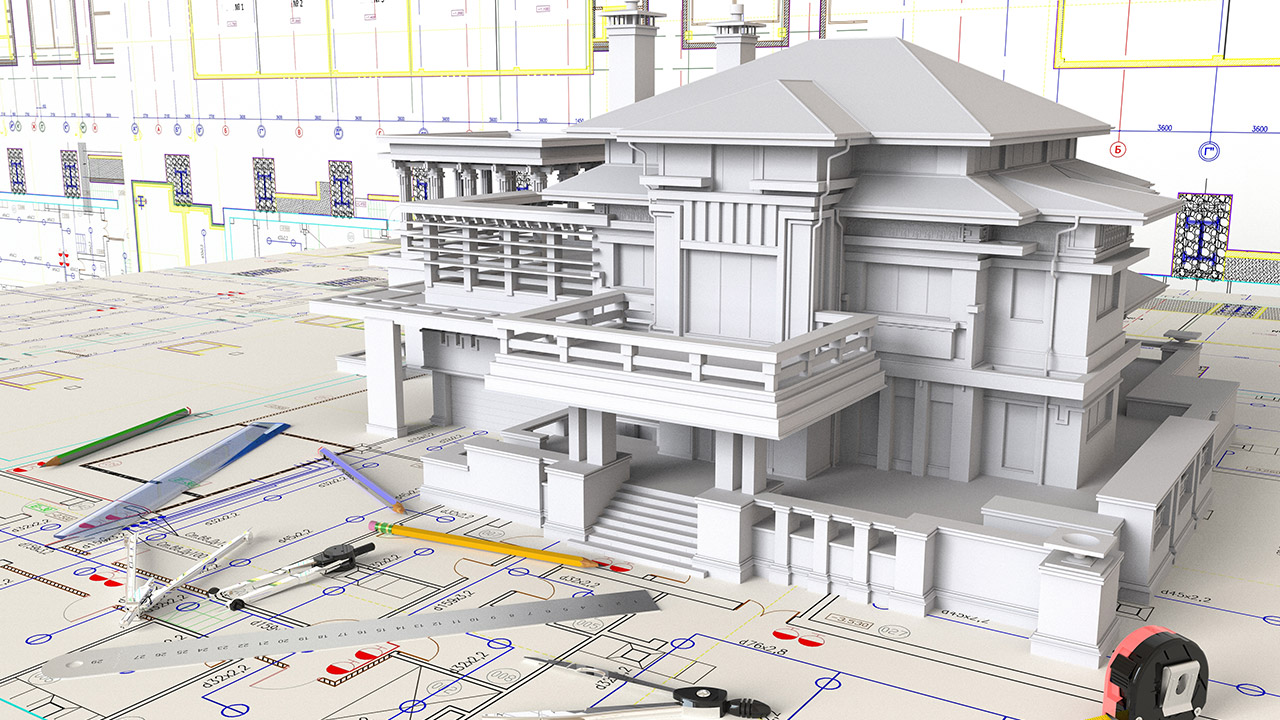
1. The Status Quo: Traditional Mechanical Design
Traditional HVAC and mechanical system design is still largely manual and fragmented. Here’s what it typically involves:
- Separate workflows between architects, MEP engineers, and consultants
- Multiple file formats and software platforms with limited interoperability
- Iterative revisions when conflicts or code issues are found late in the process
- Manual calculations that take days or weeks to complete
This method depends heavily on human availability and coordination. While it can yield high-quality results, the cost in time and money is significant—especially in fast-moving development markets.
2. The CAM Approach: AI-Powered, Integrated, Fast
CAM Building automates much of the mechanical design process while maintaining engineering integrity. By reading architectural plans directly, CAM:
- Generates complete HVAC layouts in hours, not weeks
- Runs energy simulations instantly
- Checks designs against local building codes automatically
- Creates permit-ready documentation without extra back-and-forth
This integration means fewer handoffs, fewer delays, and a more predictable outcome for every project.
3. Speed vs. Accuracy — With CAM, You Get Both
One of the biggest myths about automation is that speed sacrifices quality. CAM’s AI is trained on vast datasets of mechanical system designs, code requirements, and real-world performance outcomes.
In practice, CAM can:
- Reduce design turnaround from 3–4 weeks to under 24 hours
- Eliminate up to 90% of manual drafting work
- Catch compliance issues before submission to permitting authorities
The result? Speed without compromise.
4. Real-World Comparison
Scenario: A mid-rise residential building in Ontario.
Traditional Design:
- 2–3 weeks for initial HVAC layout
- Multiple revision cycles due to duct-beam conflicts
- Energy simulation outsourced to a third party
- Total: ~5 weeks before permit submission
CAM Design:
- HVAC layout + energy simulation in under 6 hours
- Automatic clash detection during initial design
- Code compliance checked instantly
- Total: <1 week to permit submission
In both cases, the final quality met code—but CAM’s approach saved over a month in the project timeline.
5. Cost Implications
Time savings directly impact the bottom line:
- Traditional: Higher consultant fees, extended project timelines, delayed revenue from occupancy
- CAM: Lower design costs, faster approvals, earlier construction starts, earlier ROI
A developer using CAM on a 20-unit townhouse project reported saving over $15,000 in design fees and holding costs.
6. The Future Won’t Wait
Building codes in Canada are evolving toward stricter energy and carbon performance standards (e.g., BC Energy Step Code, Toronto Green Standard). Meeting these requirements with manual processes is increasingly impractical.
CAM offers:
- Built-in energy modeling to meet evolving codes
- Design flexibility for future retrofits
- Standardized quality across multiple developments
This isn’t just about keeping up—it’s about staying ahead.
7. Conclusion: The Smarter Choice Is Clear
Traditional design methods have their place, but they can’t match the speed, integration, and foresight of CAM Building’s AI-powered platform. For architects, engineers, and developers facing tight timelines and rising performance expectations, CAM isn’t just an upgrade—it’s the new standard.



No comment