
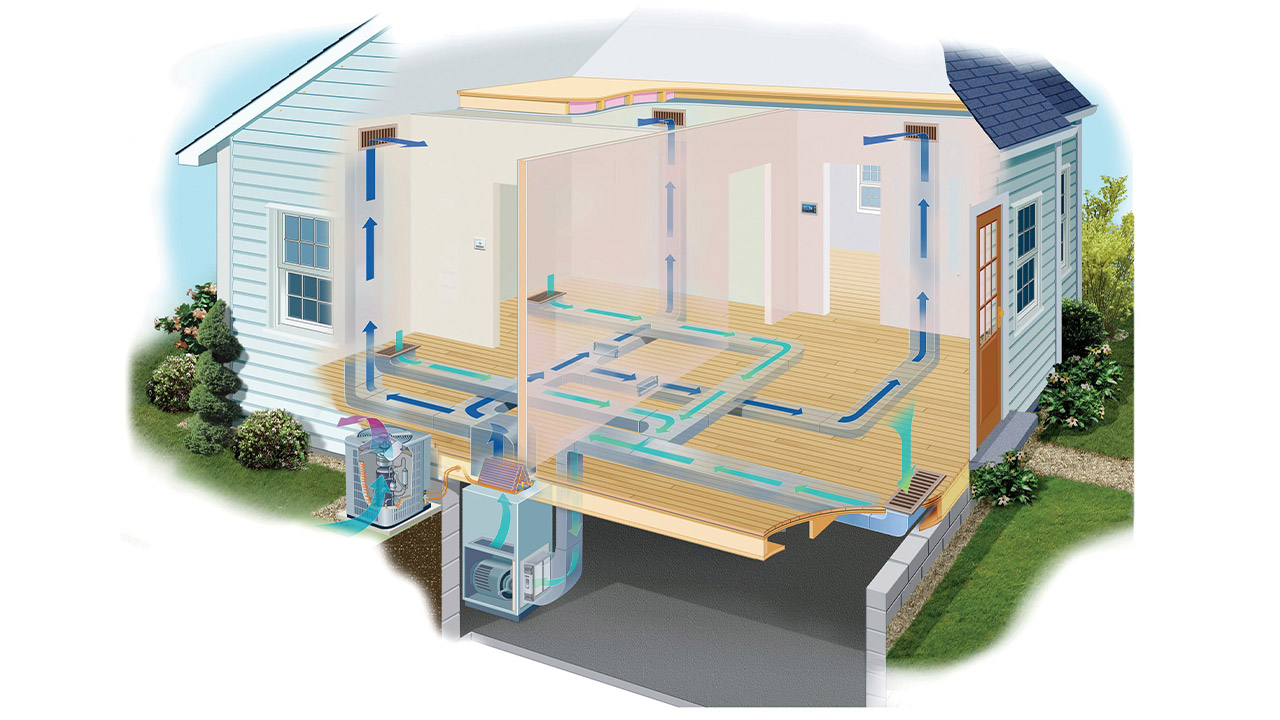
AI in HVAC Design: A Game Changer
Artificial Intelligence is revolutionizing HVAC design by enabling systems to learn from data, predict future conditions, and make real-time adjustments. This shift from traditional methods to AI-powered solutions offers several advantages:
- Enhanced Energy Efficiency: AI algorithms analyze building occupancy, weather forecasts, and energy usage patterns to optimize HVAC operations, leading to significant energy savings.
- Predictive Maintenance: AI can predict equipment failures before they occur, allowing for proactive maintenance and reducing downtime.
- Improved Indoor Air Quality: AI systems monitor and adjust ventilation rates based on real-time air quality data, ensuring healthier indoor environments.
- Cost Savings: By optimizing system performance and reducing energy consumption, AI-driven HVAC systems can lower operational costs for building owners.
Leading AI-Powered HVAC Solutions in Canada
Several Canadian companies are at the forefront of integrating AI into HVAC design:
1. BrainBox AI
BrainBox AI, based in Montreal, has developed the first AI technology designed specifically for HVAC systems in commercial buildings. Their platform uses deep learning to predict building energy demand and autonomously adjusts HVAC settings, resulting in up to 25% energy savings. BrainBox AI’s solution is currently being implemented in various commercial properties across Canada, demonstrating its effectiveness in real-world applications.
2. EcoPilot
EcoPilot offers an AI-driven HVAC optimization solution that integrates with existing Building Automation Systems (BAS). Their technology continuously analyzes indoor and outdoor conditions to adjust HVAC settings, achieving energy savings of up to 40%. EcoPilot’s system is particularly beneficial for large commercial buildings seeking to enhance energy efficiency.
3. ABB Cylon
ABB Cylon provides smart building solutions that incorporate AI to optimize HVAC performance. Their systems utilize real-time data and predictive analytics to improve energy efficiency and occupant comfort. ABB Cylon’s technologies are widely used in various sectors, including healthcare, education, and commercial real estate.
Implementing AI in HVAC Design: Best Practices
To successfully integrate AI into HVAC design, Canadian firms should consider the following best practices:
- Data Collection: Gather comprehensive data on building occupancy, energy usage, and environmental conditions to train AI models effectively.
- System Integration: Ensure that AI solutions are compatible with existing Building Automation Systems to facilitate seamless operation.
- Continuous Monitoring: Regularly monitor system performance and adjust AI algorithms as needed to maintain optimal efficiency.
- Collaboration: Work with experienced AI and HVAC professionals to design and implement tailored solutions that meet specific building requirements.
The Future of AI in HVAC Design
As AI technology continues to evolve, its applications in HVAC design are expected to expand. Future developments may include:
- Advanced Predictive Analytics: Utilizing AI to forecast long-term energy trends and optimize HVAC systems accordingly.
- Integration with Renewable Energy Sources: Combining AI with solar and wind energy systems to create fully integrated, sustainable building solutions.
- Enhanced User Interfaces: Developing intuitive interfaces that allow building managers to interact with AI systems more effectively.
The ongoing advancements in AI promise to further transform HVAC design, making buildings more energy-efficient, comfortable, and sustainable.
Embracing AI for a Sustainable Future
The integration of AI into HVAC design represents a significant step toward more efficient and sustainable buildings in Canada. By adopting AI-driven solutions, building owners and operators can achieve substantial energy savings, improve indoor air quality, and reduce operational costs. As the technology continues to advance, the potential benefits of AI in HVAC design will only grow, paving the way for smarter, more sustainable buildings across the country.
For Canadian building owners and operators looking to enhance HVAC efficiency, consider exploring AI-powered solutions. Consult with industry experts and evaluate available technologies to determine the best fit for your building’s needs. Embrace the future of HVAC design and contribute to a more sustainable built environment.




No comment