
1. Introduction
Canada is a global leader in sustainability discourse, yet it faces a profound challenge in one of its most energy-intensive sectors: construction. Buildings are responsible for over 35% of Canada’s total energy consumption, with HVAC (Heating, Ventilation, and Air Conditioning) systems being a primary contributor. Despite technological advancements in architecture and materials, mechanical system design remains a weak link. This article explores the causes of energy waste in Canadian construction and how data-driven solutions like CAM Building can offer a transformative path forward.
2. The Hidden Cost of Energy Waste in Buildings
According to Natural Resources Canada (NRCan), residential and commercial buildings consume over a third of the country’s secondary energy use, leading to high greenhouse gas emissions and ballooning utility costs. Much of this energy loss comes from:
- Poorly designed HVAC systems
- Inefficient duct and piping layouts
- Lack of integration between architectural and mechanical design
- Over-reliance on manual calculations and outdated tools
Even minor inefficiencies in system placement or sizing can lead to thousands of dollars in energy waste per building, per year.
3. Why Traditional Design Methods Fall Short
Architects and mechanical engineers often work in parallel, not in harmony. Miscommunication, software incompatibility, and conflicting priorities can delay projects and lead to energy-inefficient outcomes. Additionally, the process of designing HVAC systems is often time-consuming and heavily manual, increasing the risk of human error and code non-compliance.
4. The Urgency of Sustainable Construction in Canada
With Canada’s ambitious targets for net-zero emissions by 2050, the need for smarter buildings is no longer optional—it’s essential. According to the Canada Green Building Council (CaGBC), buildings are the lowest-hanging fruit in decarbonization efforts. The faster construction stakeholders can adopt energy-efficient tools, the faster we move toward a greener, more resilient built environment.
5. CAM Building: Turning Architectural Data Into Energy-Efficient Designs
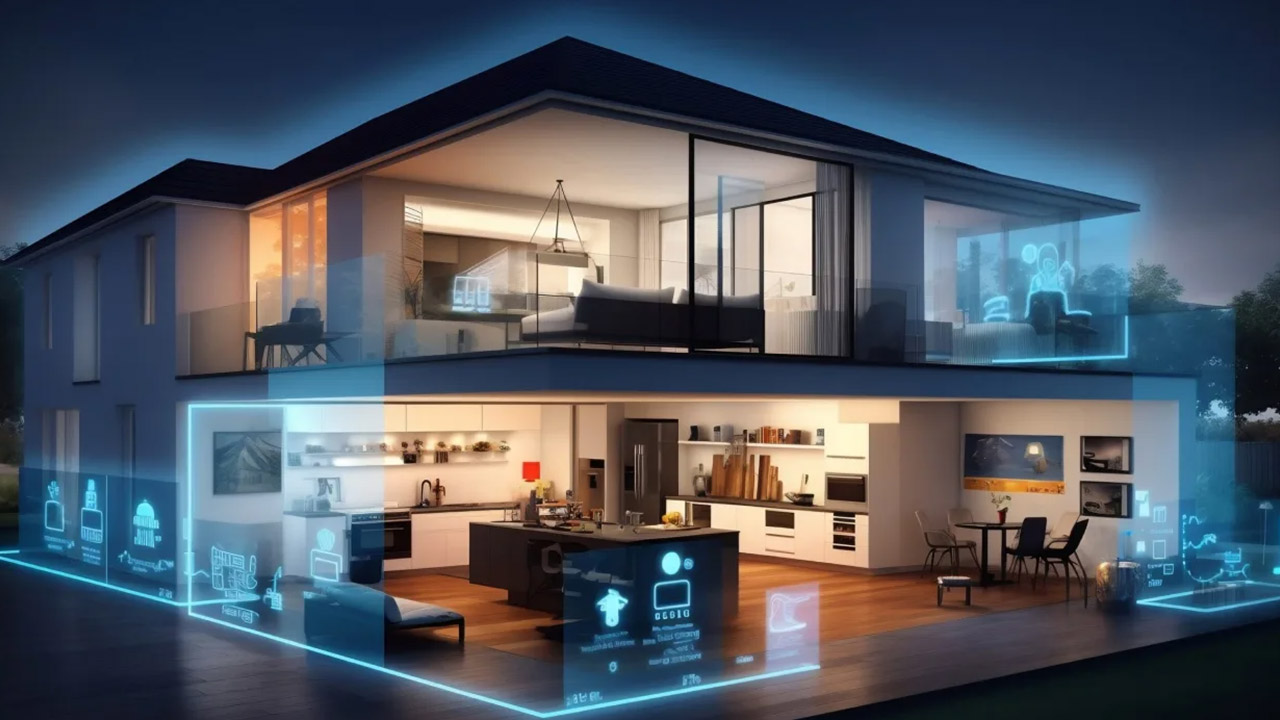
CAM Building is a Canadian AI-powered platform designed specifically to bridge the gap between architecture and mechanical systems. It automatically reads architectural plans, analyzes building geometry, local climate data, and usage type, and generates optimized HVAC designs in minutes.
Key features include:
- AI-powered HVAC modeling and layout optimization
- Energy waste simulation and prediction tools
- Code-compliant documentation for faster permitting
- 3D system visualization for better stakeholder communication
With CAM, what used to take weeks now takes minutes—with higher precision and compliance.
6. Case Example: What 10 Seconds Can Save
In a recent case study, CAM’s AI detected a 12% airflow inefficiency in a mid-rise residential design, caused by suboptimal duct routing. The platform recommended a revised layout within seconds, resulting in estimated energy savings of over $10,000 across five years.
7. Conclusion: A Smarter Way Forward
Canada’s energy crisis in construction isn’t a lack of knowledge—it’s a lack of integration. By uniting architectural vision with intelligent mechanical system design, tools like CAM Building offer not only cost savings but also a critical path to national climate goals.
Whether you’re an architect, developer, or policy-maker, now is the time to rethink how we design, simulate, and build. The future isn’t just sustainable—it’s smart.


No comment