
Why Mechanical Design Is Central to Energy Efficiency
Mechanical systems are the lifeline of any building. HVAC, plumbing, and automation directly affect comfort, energy consumption, and sustainability.
Reducing Heating and Cooling Loads
Efficient mechanical design reduces energy loads by sizing HVAC systems properly, integrating heat recovery ventilation, and avoiding oversized equipment that wastes energy.
Balancing Comfort and Performance
Design isn’t only about saving kilowatt-hours. An energy-efficient system must maintain healthy indoor air quality and consistent comfort levels, which in turn supports occupant satisfaction and productivity.
Canadian Energy Codes and Their Impact
National Energy Code for Buildings (NECB)
The NECB sets minimum energy-efficiency standards for mechanical systems, including HVAC, lighting, and envelope performance. Compliance requires mechanical designers to evaluate system loads and efficiencies carefully.
Provincial Initiatives
- British Columbia Step Code: encourages net-zero ready buildings by gradually raising energy-efficiency requirements.
- Ontario Building Code: sets strict rules on mechanical efficiency, especially in large residential and commercial projects.
These regulations push engineers to adopt more advanced mechanical strategies and digital design tools.
HVAC Optimization: The Heart of Efficiency
High-Performance HVAC Systems
Modern systems like variable refrigerant flow (VRF), ground-source heat pumps, and hybrid HVAC units offer far greater efficiency than traditional boilers and chillers.
Smart Controls and Automation
Digital sensors, IoT-based building management systems (BMS), and predictive maintenance software enable HVAC systems to adjust dynamically, cutting waste during off-peak hours.
Integrating Renewable Energy
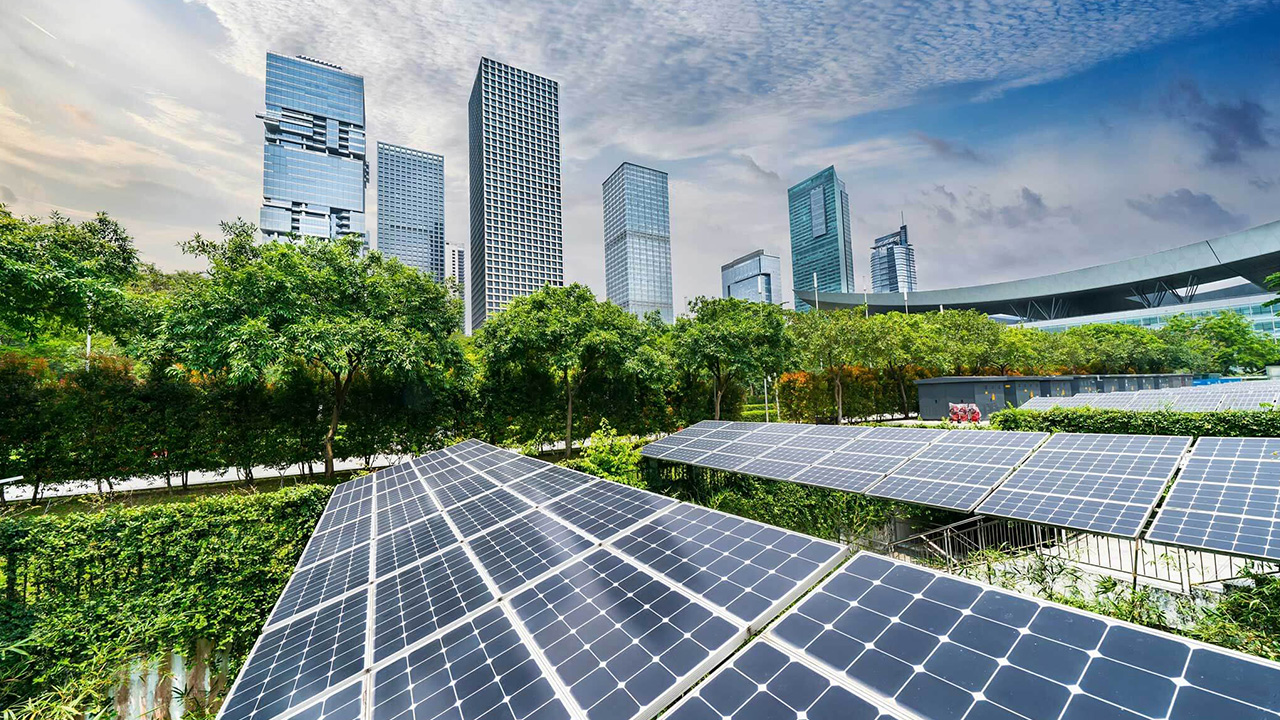
Mechanical systems can integrate with renewable energy sources—for instance, using solar thermal panels for hot water or geothermal loops for heating.
Case Studies in Canadian Energy-Efficient Buildings
The Manulife Centre, Toronto
Mechanical retrofits, including advanced HVAC zoning and digital controls, reduced energy use intensity by 20%.
UBC Brock Commons Tallwood House
This hybrid timber high-rise incorporates mechanical systems designed for efficiency and low carbon, supporting both comfort and sustainability goals.
Overcoming Challenges in Mechanical Design
Despite the potential, energy-efficient mechanical design faces barriers:
- Cost Concerns: High-efficiency HVAC and automation require upfront investment.
- Knowledge Gaps: Not all firms are trained in advanced digital tools or net-zero strategies.
- Coordination Issues: Mechanical design often clashes with architectural intent if not aligned early.
Solutions:
- Life-cycle cost analysis shows long-term savings outweigh initial costs.
- CAM and BIM integration streamline design and coordination.
- Training programs (through ASHRAE and CaGBC) help engineers stay current.
Building Smarter, Living Better
Energy-efficient mechanical design is no longer optional—it’s the foundation of sustainable construction in Canada. By integrating optimized HVAC systems, smart automation, and compliance with national and provincial codes, mechanical design can significantly reduce energy use, lower carbon emissions, and improve occupant comfort.
Ready to bring energy efficiency into your next project? Partner with CanBuilding to integrate cutting-edge mechanical design tools that deliver on performance, compliance, and sustainability.




No comment