
Introduction
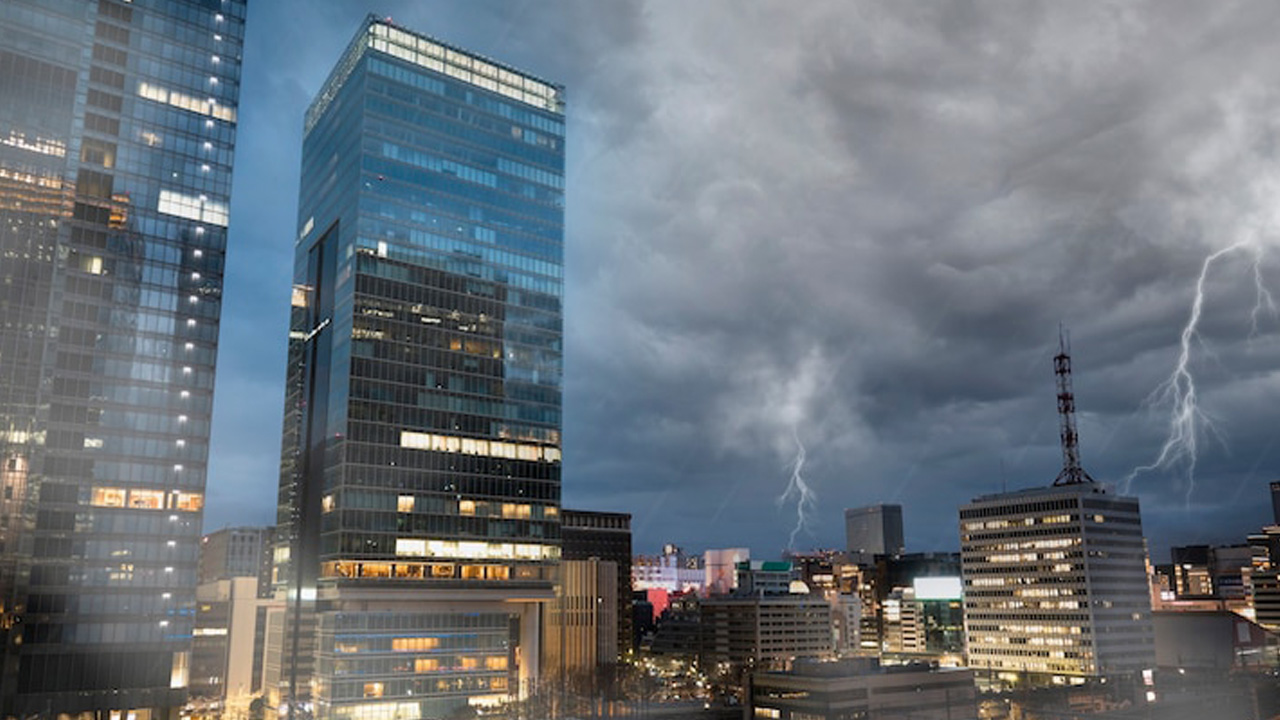
Climate-resilient building design is becoming increasingly vital for developers in Canada, as extreme weather events like heatwaves, heavy snowfall, flooding, and high winds impact construction standards and building longevity. Traditional building designs often fail to withstand these conditions, leading to increased maintenance costs, safety risks, and energy inefficiencies.
By incorporating smart mechanical systems, adaptive HVAC technologies, and sustainable construction practices, Canadian developers can future-proof their buildings. Cambulding’s innovative CAM-powered tools facilitate the integration of climate-resilient features, ensuring projects meet regulatory standards and provide safe, comfortable spaces for occupants.
Understanding Canada’s Climate Challenges
Canada’s vast geography creates diverse climate conditions, each affecting building performance differently:
- Northern regions: Extreme cold requires highly efficient insulation and heating systems.
- Coastal areas: Exposure to high winds, salt air, and heavy rain necessitates durable materials and robust waterproofing.
- Urban centers: Heat islands demand advanced HVAC systems to maintain indoor comfort during heatwaves.
Ignoring these factors can result in compromised structural integrity, increased energy consumption, and higher operational costs (source).
The Role of Smart Mechanical Systems
Smart mechanical systems, including advanced HVAC solutions, are key to climate resilience. These systems adapt to changing environmental conditions in real-time, optimizing indoor temperature, humidity, and air quality. Benefits include:
- Energy Efficiency: Automated controls reduce energy usage while maintaining comfort.
- Adaptability: Smart sensors adjust operations based on weather forecasts or occupancy patterns.
- Preventive Maintenance: Predictive analytics detect system inefficiencies before failures occur.
Cambulding’s CAM-powered platform allows developers to integrate these smart systems seamlessly into mechanical designs, ensuring accuracy and compliance with energy codes (source).
Material Selection for Climate Resilience
Choosing the right materials is critical to withstand Canada’s climate extremes. Factors to consider include:
- Durability: Materials must resist temperature fluctuations, moisture, and UV exposure.
- Sustainability: Recycled and low-carbon materials reduce environmental impact.
- Thermal Performance: High-performance insulation minimizes heat loss in winter and heat gain in summer.
Innovative materials like high-performance concrete, insulated metal panels, and advanced glazing contribute to longer-lasting, energy-efficient buildings (source).
Design Strategies for Extreme Weather
Beyond materials, structural design strategies enhance climate resilience:
- Elevated Foundations: Reduce flooding risk in areas prone to heavy rainfall.
- Aerodynamic Roofs: Minimize wind damage in coastal or high-wind regions.
- Flexible HVAC Layouts: Allow for easy upgrades or system adjustments as climate conditions evolve.
CAM software assists designers in modeling these strategies accurately, simulating environmental impacts, and optimizing mechanical layouts to ensure efficiency and compliance.
Energy Efficiency and Net-Zero Goals
Climate resilience and energy efficiency go hand in hand. Buildings designed to withstand extreme weather often consume less energy due to:
- Reduced heating and cooling demands
- Smart HVAC automation and ventilation optimization
- Integration with renewable energy sources like solar panels or geothermal systems
By incorporating these strategies, developers can achieve net-zero or near-net-zero energy targets, enhancing sustainability and long-term cost savings (source).
Regulatory Compliance and Risk Mitigation
Canada has stringent building codes and energy efficiency standards. Climate-resilient designs ensure:
- Compliance with municipal and provincial regulations
- Reduced liability risks from structural failures or weather damage
- Enhanced insurance and financing opportunities
CAM-powered platforms, like Cambulding, automate compliance checks and generate detailed reports to simplify approval processes and reduce errors.
Case Studies: Climate-Resilient Buildings in Canada
Several projects showcase the benefits of climate-resilient designs:
- Vancouver Commercial Complex: Integrated smart HVAC and energy-efficient glazing reduced annual energy costs by 25% while withstanding coastal storms (source).
- Toronto Mixed-Use Development: Elevated foundations and predictive HVAC maintenance minimized flood and heatwave risks.
- Calgary Residential Project: Advanced insulation and CAM-optimized mechanical layouts increased building lifespan and reduced operational energy.
These examples demonstrate the value of combining smart systems, material innovation, and digital design tools for climate resilience.
Collaboration and Workflow Optimization
Effective climate-resilient design requires collaboration across disciplines:
- Architects, engineers, and developers must coordinate early to integrate mechanical and structural systems.
- CAM software streamlines workflows, allowing real-time sharing, version control, and compliance tracking.
- Developers benefit from predictive simulations and digital approvals, reducing costly revisions.
Cambulding’s platform fosters this collaboration, improving efficiency and project quality (source).
Conclusion: Building for a Resilient Future
Designing buildings for climate resilience in Canada is no longer optional—it is essential for safety, sustainability, and cost-effectiveness. By leveraging CAM software, smart mechanical systems, adaptive design strategies, and high-performance materials, developers can:
- Ensure compliance with building codes and energy standards
- Minimize operational risks from extreme weather
- Enhance energy efficiency and occupant comfort
- Achieve long-term ROI through reduced maintenance and energy costs
Call to Action: Embrace Cambulding’s CAM-powered solutions to design climate-resilient buildings that stand the test of time. Future-proof your projects today and lead the way in sustainable Canadian construction.
References: https://www.nrcan.gc.ca/climate-change-adaptation/21076
https://www.cambulding.com/solutions
https://www.nrcan.gc.ca/energy/buildings/net-zero/20344 https://www.cambulding.com/case-studies

No comment