Best Practices for Integrating CAM with BIM Workflows

Best Practices for Integrating CAM with BIM Workflows

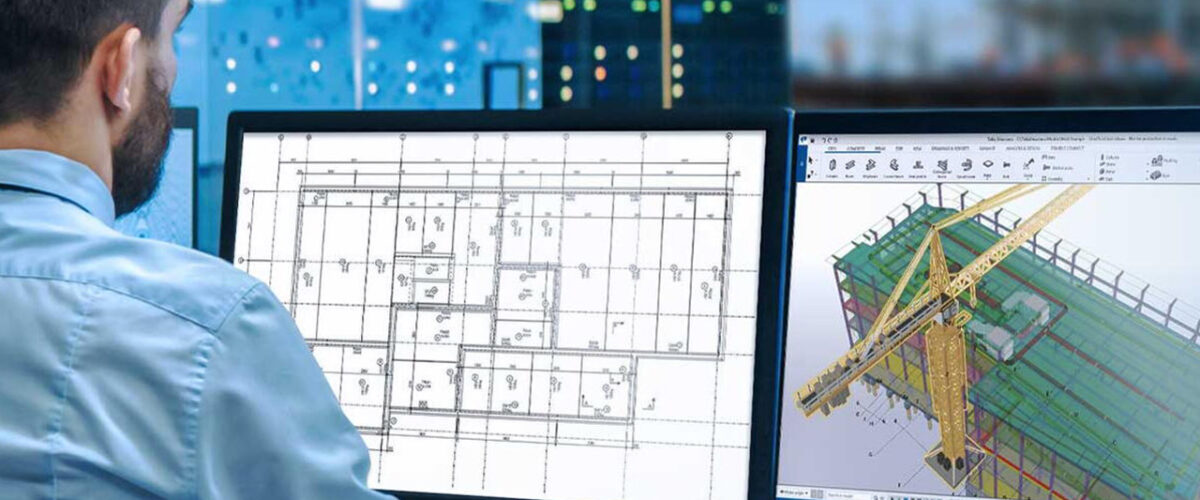
CAM BIM integration is becoming a cornerstone of modern construction projects in Canada. While Building Information Modeling (BIM) provides a comprehensive digital representation of physical and functional characteristics, Computer-Aided Manufacturing (CAM) ensures precision in translating designs into actual construction workflows. Yet, many firms struggle to merge the two effectively. The result? Misaligned designs, inefficiencies, and delays. This is where Cambulding steps in—providing software solutions that bring CAM and BIM together for streamlined, error-free, and collaborative construction processes. ...

AI-Powered Design Reviews: Improving Accuracy and Speed

AI-Powered Design Reviews: Improving Accuracy and Speed

AI design reviews are transforming how construction projects are planned and executed in Canada. Traditionally, reviewing building designs has been a time-consuming, error-prone process involving multiple stakeholders and countless revisions. Even small oversights can snowball into costly rework, project delays, or compliance failures. Now, thanks to artificial intelligence and automated tools, companies like Cambulding are enabling design reviews that are not only faster but also more precise. With AI at the core, firms are minimizing human error, ensuring compliance with Canadian building codes, and accelerating project delivery. ...
Reducing Construction Costs with Automated Design Software

Reducing Construction Costs with Automated Design Software

In today’s Canadian construction market, budgets are tighter than ever. Rising material prices, labor shortages, and strict regulatory requirements push developers and contractors to find ways to do more with less. One of the most powerful solutions? Automated design software. By streamlining design, reducing errors, and improving project coordination, automated design tools are helping construction firms cut costs while boosting productivity and maintaining compliance. ...
The Role of Mechanical Design in Energy-Efficient Buildings

The Role of Mechanical Design in Energy-Efficient Buildings

When people think about energy-efficient buildings, they often imagine solar panels, LED lights, or better insulation. But behind the scenes, one critical factor determines whether a building truly performs: mechanical design. In Canada, where heating and cooling account for more than 60% of residential energy use, mechanical design choices in HVAC systems, ventilation, and controls can decide whether a building meets—or fails—its energy targets. For developers, architects, and engineers, the pressure is real: national building codes and client expectations are pushing toward net-zero and energy-efficient construction. So, how does mechanical design influence efficiency, and what strategies ensure buildings not only comply but excel? Let’s dig in. ...