Optimizing Construction Timelines with Digital Design Tools

Optimizing Construction Timelines with Digital Design Tools

Construction timeline optimization is one of the toughest challenges facing Canadian builders, developers, and engineers. Despite advances in project management and technology, delays remain a persistent problem. Labour shortages, design revisions, regulatory hurdles, and supply chain disruptions can all push projects off schedule—causing budget overruns and frustrated stakeholders. This is where digital design tools and CAM (Computer-Aided Manufacturing/Mechanical) software come in. By streamlining workflows, improving collaboration, and automating repetitive tasks, they help keep construction projects on time and on budget. ...

Sustainable Materials Choices for New Buildings in Canada

Sustainable Materials Choices for New Buildings in Canada

Are Your Building Materials Harming More Than Helping? Sustainable building materials are more than a trend—they’re becoming a necessity. When you choose conventional materials for new buildings in Canada without considering environmental impact, you might save up front—but the long-term cost comes via higher energy bills, more waste, and carbon emissions that affect the building’s reputation and compliance. If you’re a developer, architect, or mechanical designer, you likely face pressure from building codes, clients, and sustainability certifications (like LEED) to make greener choices. In this article, we will explore sustainable building materials in the Canadian context, understand what makes a material “green,” review certification programs, and provide practical guidance on evaluating and selecting eco-friendly materials for your next project. ...
Reducing Errors in Mechanical Design with CAM Software

Reducing Errors in Mechanical Design with CAM Software

CAM software errors reduction is not just about catching mistakes—it’s about saving money, time, and reputation. Imagine starting a construction project in Toronto only to find that your HVAC ducts clash with structural elements, or that your mechanical room doesn’t have clearance for equipment due to miscalculation. These kinds of errors—common in mechanical design—lead to project delays, increased costs, and frustrated clients. In this article, we’ll explore how CAM building software in Canada is transforming the design process to reduce errors. We’ll look at real-world problems, analyze what leading firms are doing, and provide you with best practices to better design mechanical systems with fewer mistakes and higher quality. ...
How AI is Streamlining HVAC Design in Canada

How AI is Streamlining HVAC Design in Canada

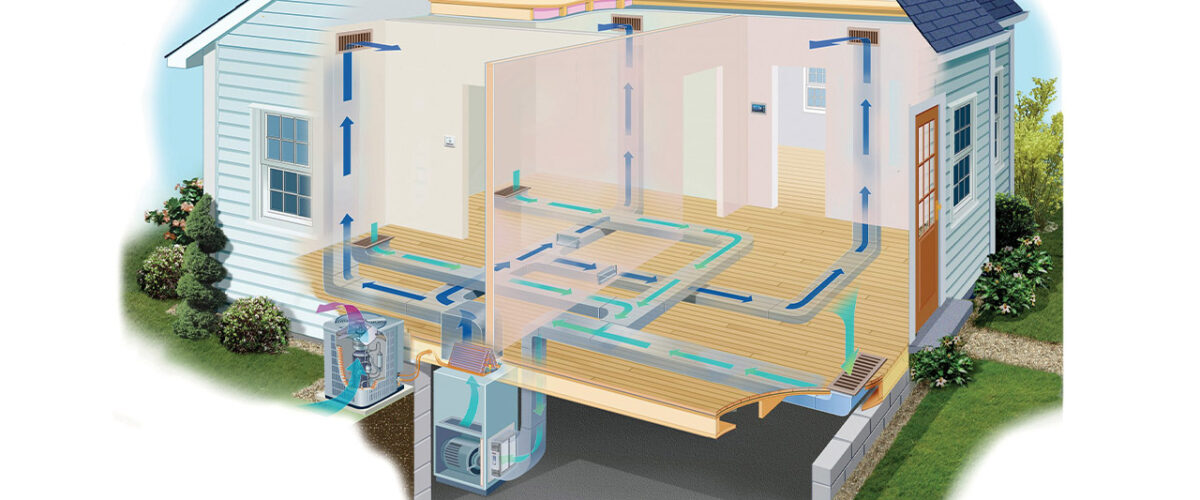
In recent years, the integration of Artificial Intelligence (AI) into HVAC (Heating, Ventilation, and Air Conditioning) design has marked a significant shift in the Canadian construction industry. Traditionally, HVAC systems were designed using manual calculations and static models, often leading to inefficiencies and increased operational costs. However, with advancements in AI and machine learning, HVAC design has become more dynamic, responsive, and energy-efficient. Canadian firms are increasingly adopting AI-driven mechanical design software to optimize HVAC systems, enhance indoor comfort, and reduce energy consumption. This article explores how AI is streamlining HVAC design in Canada, highlighting key technologies and real-world applications. ...